
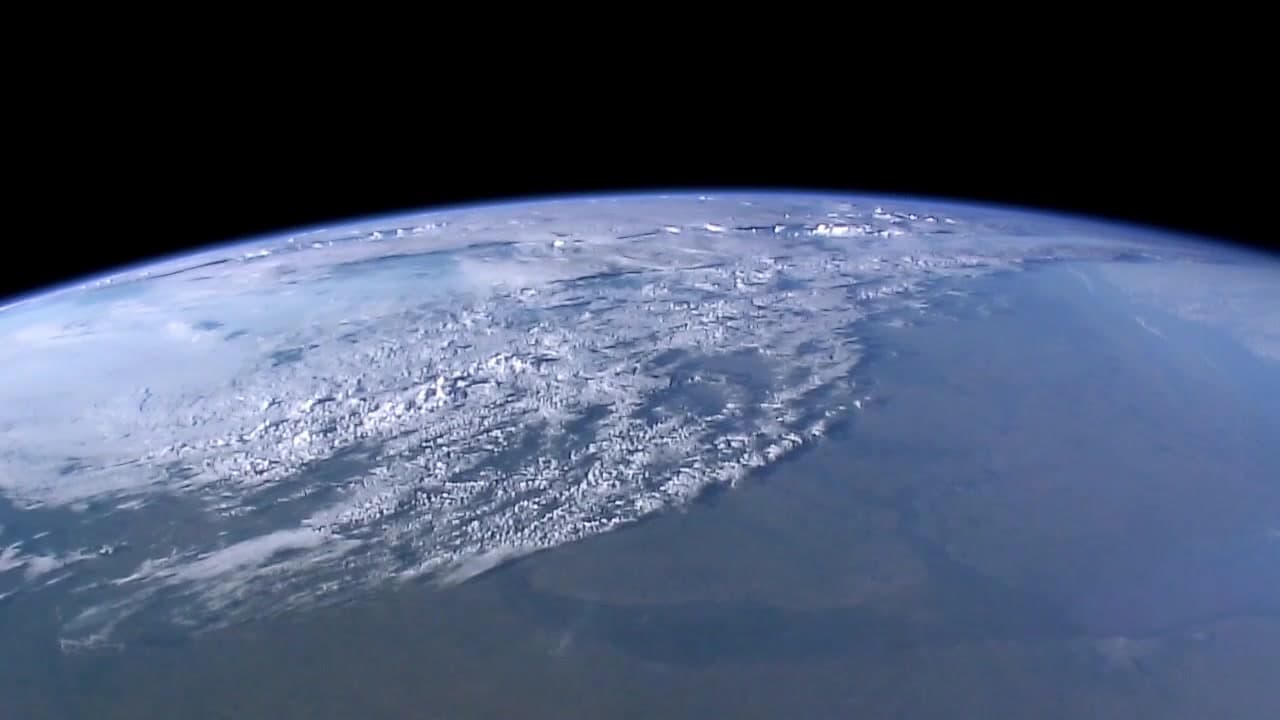
A satellite does not directly see the future harvest of a field. It measures the light reflected by the soil and vegetation; researchers then have to link these measurements to agronomic observations. This distinction is at the heart of VENμS, a mission led by the Israel Space Agency (ISA) and the French National Center for Space Studies (CNES). Launched on 2 August 2017, the microsatellite acquired a series of images of sites regularly monitored until 2024. For RECA, based in Douala, its legacy is an invitation to build verifiable observation methods for the crops and natural environments of Central Africa.
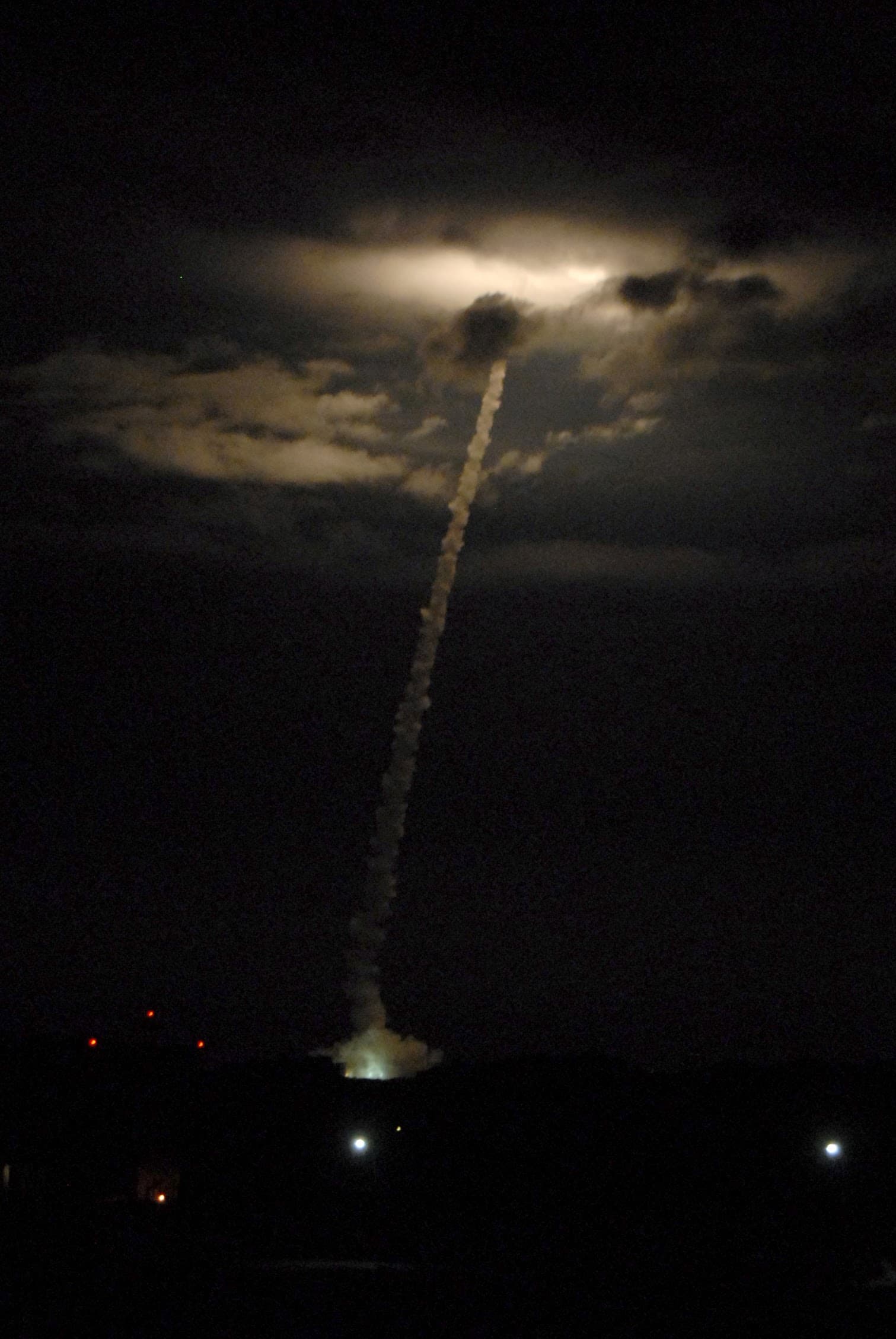
An Israeli and French mission designed to review the same sites
VENμS stands for Vegetation and Environment monitoring on a New Micro-Satellite. Its camera recorded twelve spectral bands, from visible to near infrared. Interest was not only in the fineness of the images, in the order of 5 to 10 meters depending on the products described by CNES.
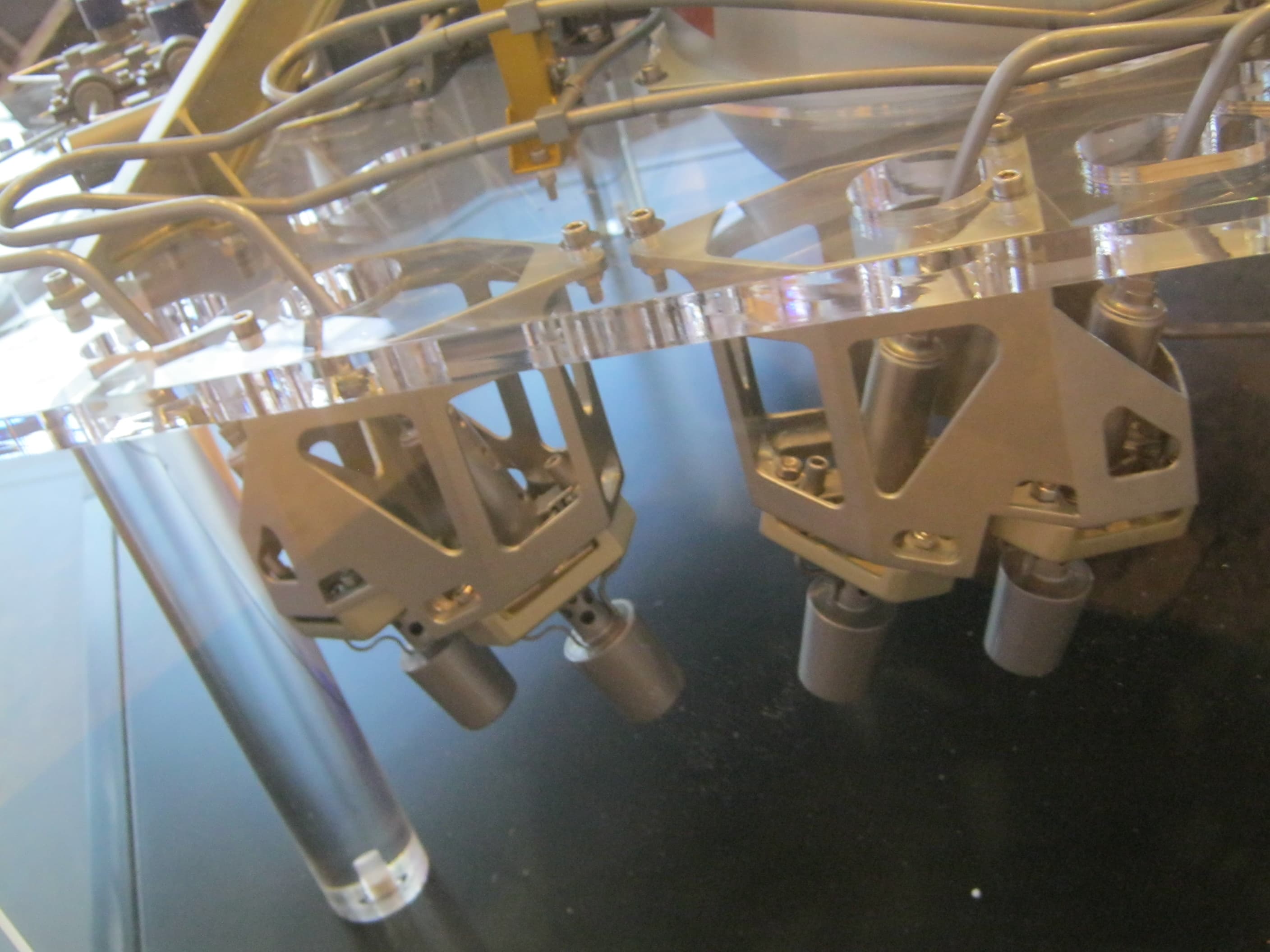
The mission also combined a demonstration of electric propulsion with Earth observation. This combination is a reminder that a space programme produces both scientific data and industrial expertise. The Israeli and French partners had to coordinate platform, instrument, operations and data exploitation.
What images can ask, and what they cannot prove
A multispectral series can help to monitor the growth of a vegetation, to detect unusual variation and to prepare a survey of water requirements or the condition of an environment.The 12 bands alone do not, however, give a quantity of fertilizer to apply or a definite diagnosis of disease.A signal difference can come from the season, a cloud, an open soil, a cultivated variety or a real change in the plant.
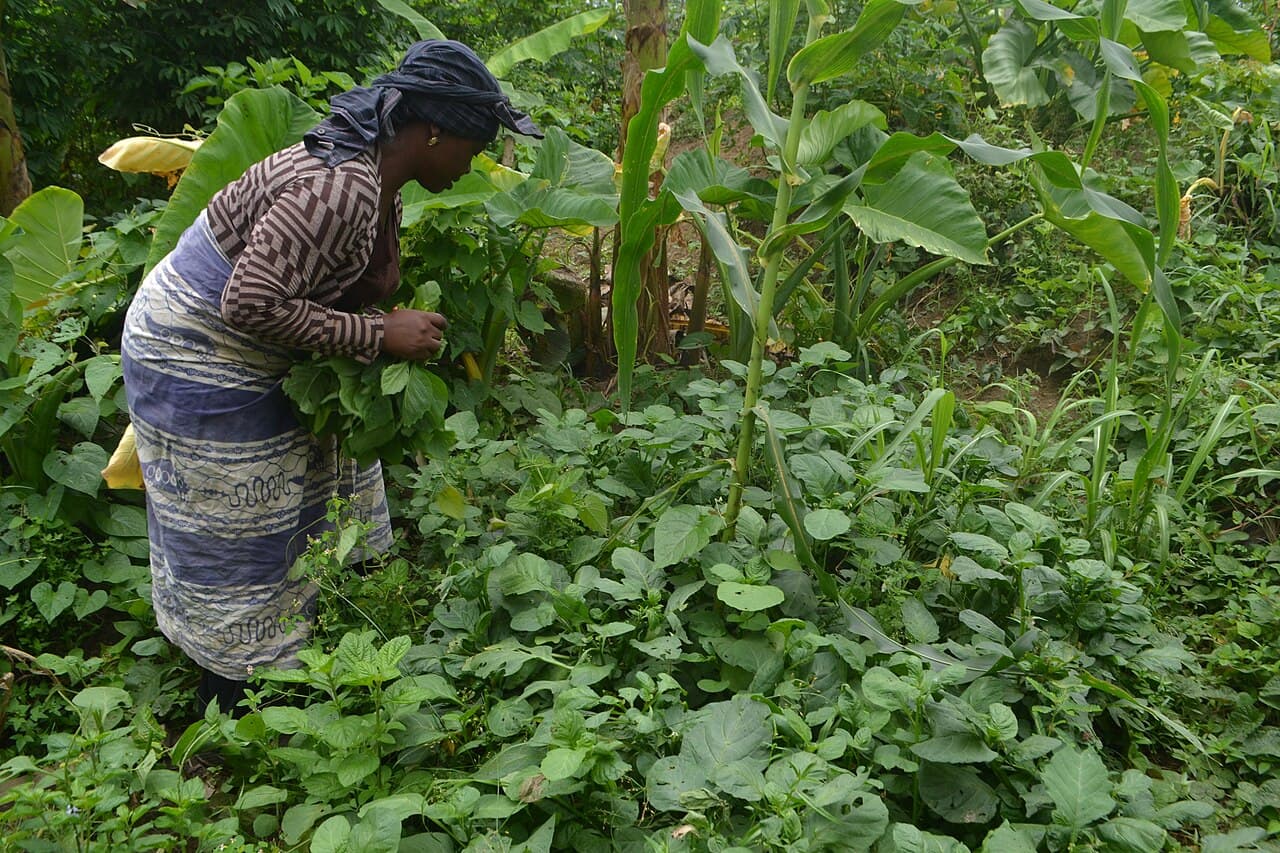
In the Wouri basin or in an agricultural area in Cameroon, a team could start by choosing a modest question: how does a plot change over the course of a season, and what ground observations would test this interpretation?
Data from archives, not a mission still in operation
The CNES reports that VENμS completed its mission in August 2024.It would be inaccurate to speak of VENS as an operational satellite today.The current interest is due to the series acquired and the methods they allow to be studied.The THEIA hub presents VEN·S products and their access terms; the availability of a site, the period covered, the level of processing and the licence must be verified before a study is launched.The presence of images somewhere on the planet does not mean that every region in Central Africa has been observed with the same frequency.
This limitation leads to a practical question for African teams: which archives actually cover the area studied, and which other missions can complete the series?
A scientific dialogue between Israel and Africa
The example of VENμS shows what can be achieved by space cooperation based on a specific issue, defined technical responsibilities and research-enabled data. It is not an announcement of a partnership between RECA and ISA. To open a useful dialogue with Israeli teams, REC A could propose a common and measurable exercise: select a documented African site, compare a series of images to field observations, publish processing parameters and explain uncertainties. The role of agronomists, remote sensing specialists and soil engineers would be identifiable.
The expected result would not be a promise of additional performance, but a reproducible protocol that other teams can verify.A version of this work accessible in French, English and Hebrew would facilitate cross-reading of methods and results.It is through open questions, dated evidence and assumed limits that scientific exchange can become sustainable.
Sources of this publication
- CNES — Venµs
- Israel Space Agency — VENμS Earth observation Satellite
- Israel Space Agency — End of VENμS mission
- THEIA — Venus Surface Reflectance
- Photo : lancement VV10 — Camille Gévaudan, CC BY-SA 4.0
- Photo : propulseur VENµS — Corvus, CC BY-SA 4.0
- Photo : agriculture au Cameroun — Minette Lontsie, CC BY-SA 4.0
- Licence des trois photos — Creative Commons BY-SA 4.0

